


Parent Profiles 239 profiles of hopeful adoptive couples

For Birthparents


Success Story

John & Doris
We joined parent profiles.com in June 2004 and on Dec. 11 of the same year a birthmother contacted us. She also lived in MD and since the holidays were fast approaching and we were going to go out of town we agreed to meet on January 2. The meeting went well and after one more e-mail she asked us to be the adoptive parents of her baby and she asked me (the adoptive mother) if more ...

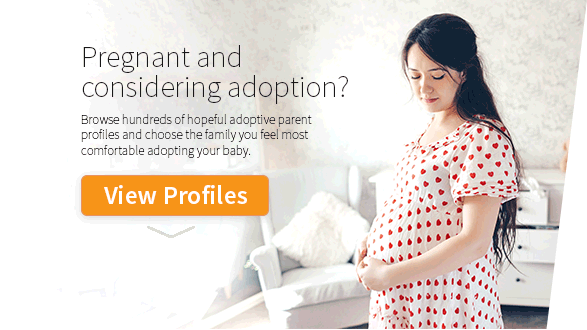
Parent Profiles is dedicated to helping birth mothers find the right adoptive family for their child. Choose a link below to learn more about the services of ParentProfiles.com.

Are you pregnant?Are you hoping to adopt?

Prenatal Nutrition

Prenatal Nutrition: Eating for Two

We've all heard that pregnant women are eating for two. But while it's absolutely true that the food you eat is providing the building blocks for your baby's growth, you must also remember that the other person you're eating for is not another full-grown adult. When discussing prenatal nutrition, the focus is on quality, not quantity.

Profile Image
Chat with us: Status Indicator

One thing we can guarantee is open arms and tons of love for your little one. Maybe we are that special family you have been searching for. Come on in and find out more about us...

You'll need about 300 extra calories per day when you're pregnant. The number will be higher if you were seriously underweight before pregnancy, are carrying multiple babies, or are a teenager still completing your own growth. If you went into the pregnancy significantly overweight, you may need slightly fewer calories. Your medical practitioner will help determine the right amount for you. But getting those extra calories requires a little more thought than merely adding a Hershey bar to your day. Protein, calcium, vitamins and minerals are paramount for proper prenatal nutrition.

The guidelines for prenatal nutrition aren't that different from those for all adults who want to stay healthy. Choose meals and snacks with maximum punch. The bulk of your diet should consist of whole grain breads, cereals and pastas; seven or more servings of fruits and vegetables, at least one high in vitamin C and one in vitamin A; low-fat milk and dairy products; and foods high in protein, such as lean meat, poultry, fish, eggs, and dried beans. Sound familiar?

There are, however, a few cautions to bear in mind. Bacteria can harm a developing baby, so avoid foods like raw seafood (oysters, sushi), unpasteurized milk, and soft cheeses (brie, camembert, etc). Pass on the pate and steak tartare, and order your meat on the medium-well side. Keep tuna and other fish to about 12 ounces a week to limit possible exposure to methyl mercury. And for optimum prenatal nutrition, consider cutting back or skipping caffeinated foods such as coffee, colas, and chocolate. Decaf is better: replacing them with healthy alternatives such as milk or water is even better.

Your practitioner will probably advise you to take a multivitamin supplement, preferably one high in folic acid to help prevent spina bifida and other neural tube defects. You may need iron and calcium supplements as well, for optimum maternal and prenatal nutrition.

Pay attention to proper prenatal nutrition most of the time, and you can still indulge in a piece of cake on your birthday or low-fat sorbet on a hot summer day. Enjoy!

©Adoption Profiles, LLC 2003-2009 Parent Profiles® is a service of Adoption Profiles, LLC